The Agri for Integration project introduces a new, innovative approach to the integration of third-country nationals, particularly women, by involving them in agriculture and the agri-food sector. This sector offers not only stable employment opportunities, but also space for community building, mutual understanding, and long-term social inclusion.

Introductory Workshop – A Space for Cooperation
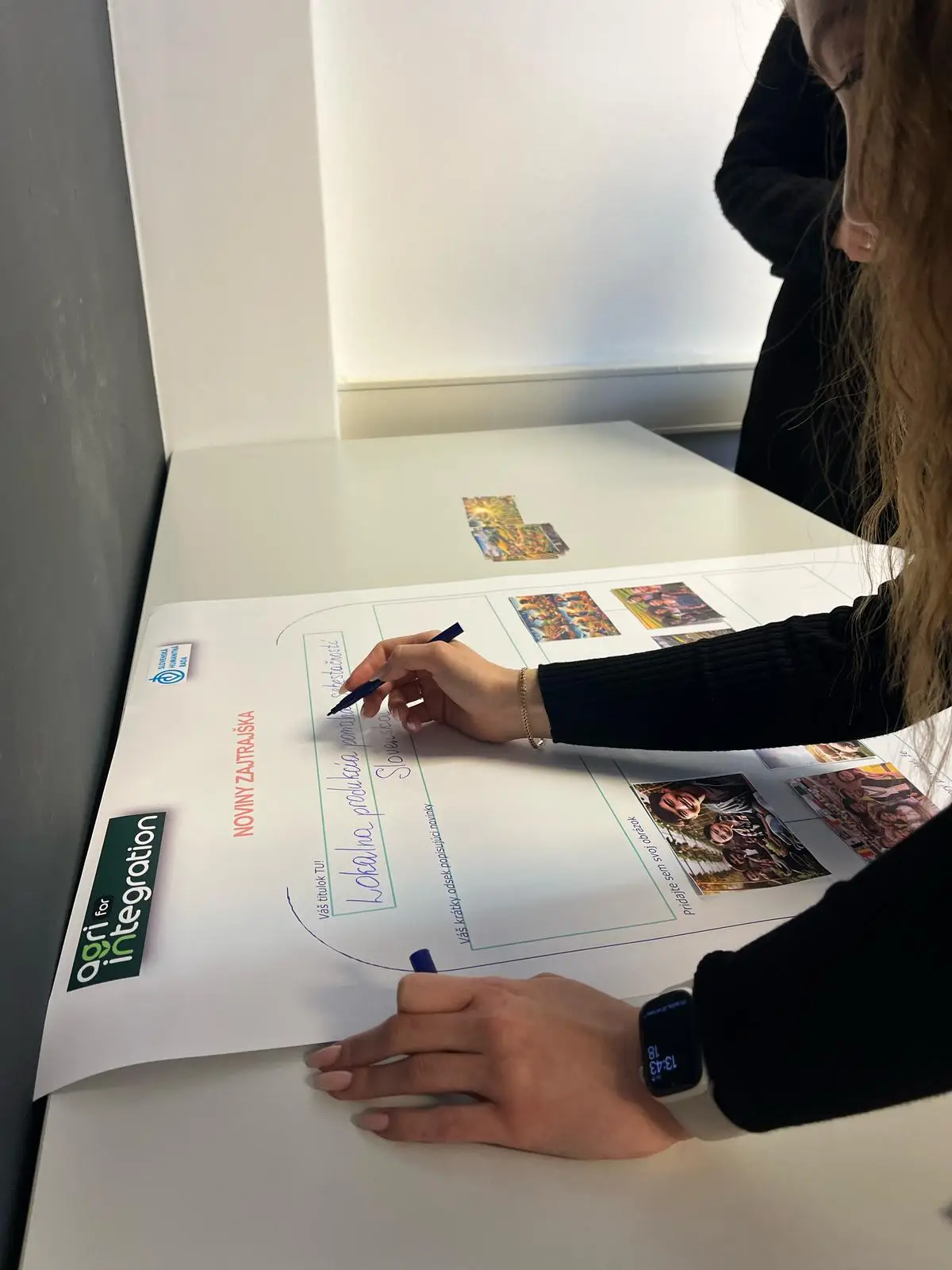
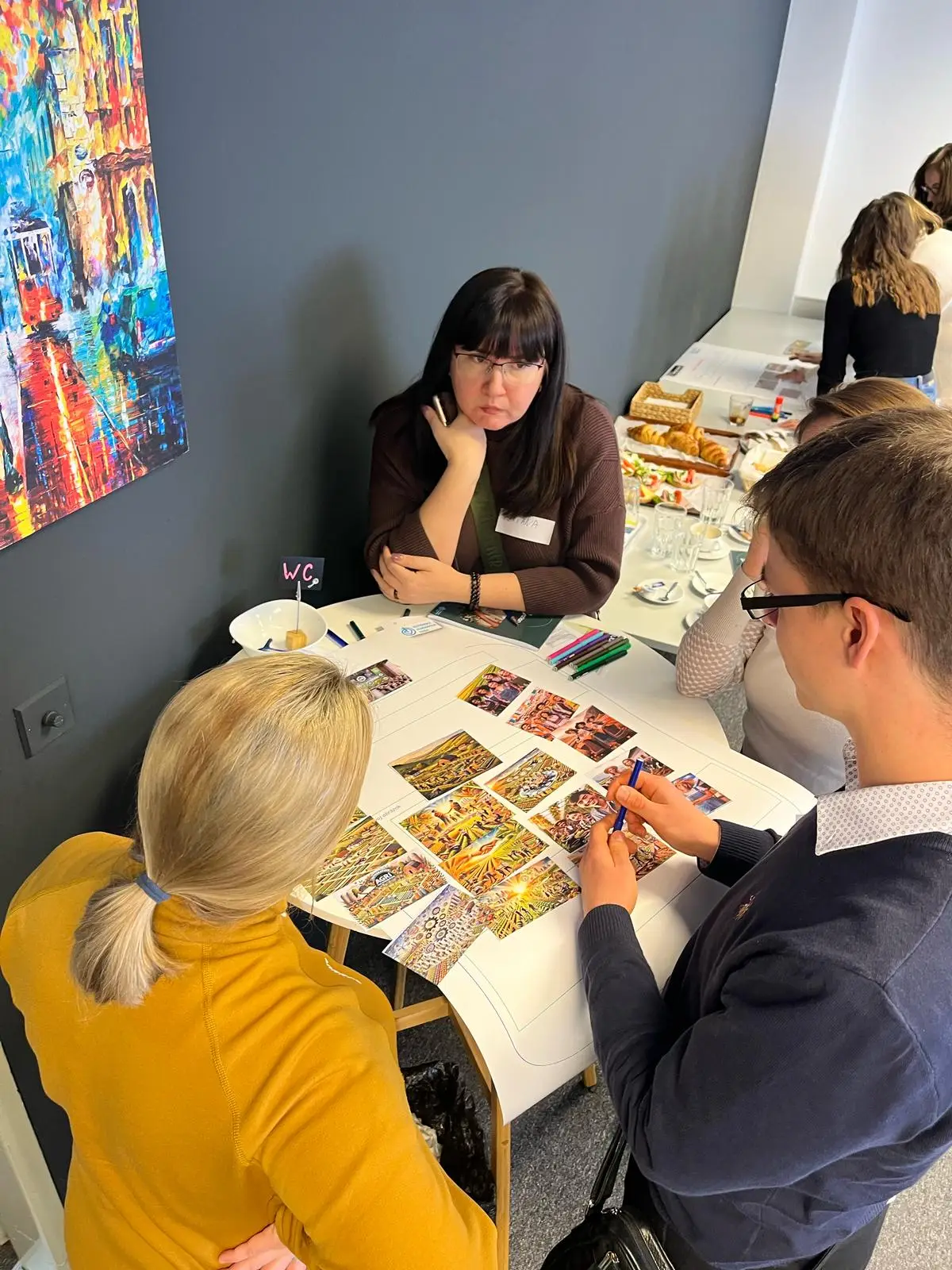
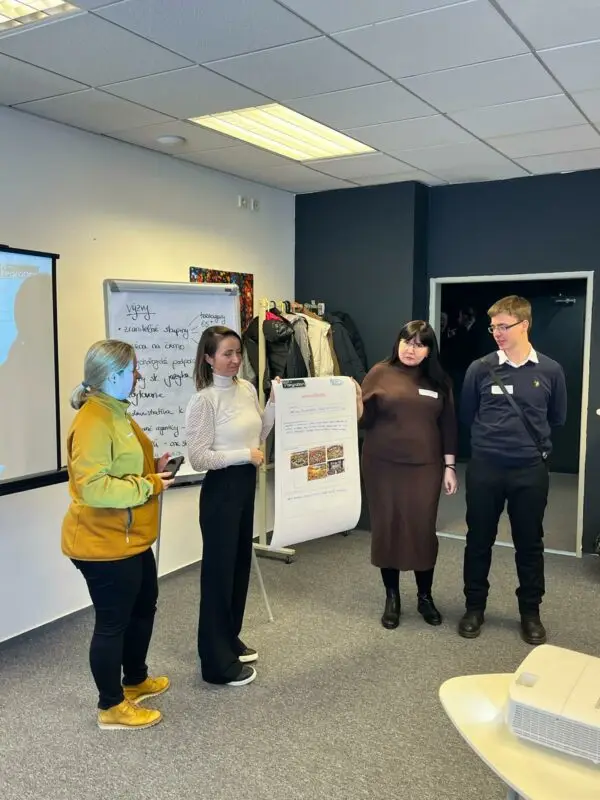
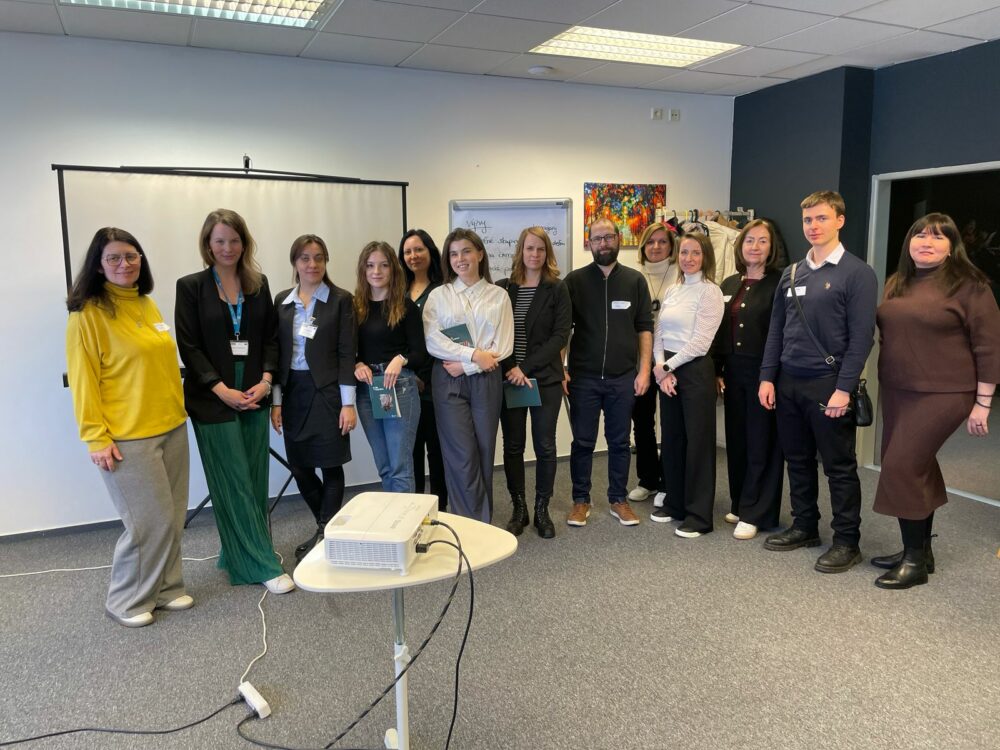
On 18 March 2025, the project’s introductory workshop took place, bringing together experts, representatives of institutions, communities, non-governmental organizations, and third-country nationals (TCNs) themselves. The discussion focused on opportunities for migrant integration, current challenges in the agri-sector, and labour market needs.
The project focuses primarily on:
- strengthening partnerships,
- enhancing migrants’ skills,
- supporting social inclusion,
- sustainable activities,
- the exchange of good practices within the EU.
Women at the Centre of Attention
The project operates in 9 pilot locations across five countries — Slovakia, Italy, Greece, Spain, and Sweden. The activities are designed to enable migrant women to acquire new skills, receive support, and gain opportunities to actively participate in both working and social life.
Our Work – What We Have Already Accomplished
Field Visits and Online Meetings
Visits to the pilot locations and a series of online consultations were carried out, enabling a better understanding of migrants’ needs and the preparation of activities tailored specifically to individual communities.
Establishment of an Expert Team
We established a multidisciplinary group of experts representing all key stakeholder groups necessary for the successful integration of migrants. The team includes representatives of public institutions, non-governmental organizations, agri-food enterprises, local and regional authorities, as well as third-country nationals (TCNs) themselves and members of the host community.
Such a broadly represented team provides expert feedback, shares know-how, and brings diverse perspectives as well as valuable experience into the project. Thanks to this collaboration, we can ensure that the project activities respond precisely to the needs of both migrants and local communities, while also contributing to long-term and sustainable integration.
Local Audit
In cooperation with local authorities, we assessed the conditions and availability of services for migrants in the pilot location. The audit identified key barriers as well as significant opportunities for improved integration and the development of the local environment.
Webinar – 24 September 2025
On 24 September 2025, we organized a webinar dedicated to the presentation of best practices in integration within the agri-food sector. We showcased proven approaches to the successful integration of foreign nationals, complemented by concrete examples from practice. Inspiring stories, effective cooperation models, and experiences from other countries provided participants with valuable ideas for future work.
A “Local Integration Strategy for Third-Country Nationals in the Agri-Food Sector Labour Market” has been developed.
This document was created within the framework of the European project Agri for Integration, implemented with the support of the Asylum, Migration and Integration Fund (AMIF). Partners from five EU member states — Italy, Greece, Spain, Sweden, and Slovakia — contributed to its development.
The document was developed based on a “bottom-up” approach, taking into account the real needs of migrants, local communities, and businesses. Its aim is to create a practical and sustainable local strategy for the integration of third-country nationals into the agri-food labour market.
Following the successful implementation of the aforementioned activities, a new phase of the project, WP3, is beginning. From October 2025 to March 2027, it will gradually open up opportunities for further engagement in sustainable agri-food practices.
WP3 – Working in the Sustainable Agri-Food Sector
In this phase of the Agri for Integration project, Work Package 3 (WP3) focuses on supporting the employment integration of third-country nationals (TCNs) in the EU’s sustainable agri-food sector. The aim is to develop their professional, career, and environmental skills, while also facilitating connections with local employers.
During this period, the connection between education, practical work environments, and the needs of the sustainable agri-food sector will be strengthened, enabling participants to acquire concrete skills, improve their labour market orientation, and access new professional opportunities.
Main Activities of WP3
- Training Manual “Agri for Integration”
We are preparing a comprehensive guide covering topics such as organic farming, sustainable agri-food practices, job profiles, the rights of TCNs, and career counselling. The manual will be available in English as well as in all partner countries’ languages. - Translation and Digitization of Training Materials
All materials will be made available on the project’s online platform, allowing participants to easily access and use them across different EU countries.
- Practical Workshops for TCNs
From April to September 2026, ten two-day workshops will be held, combining:
- practical activities in organic farming,
- career counselling, and
- information about the labour market in the agri-food sector.
At least 30% of participants will be women migrants, supporting their active involvement in both professional and social life.
- Bridge Events – Connecting TCNs and Employers
A series of networking events will allow TCNs to meet local employers, learn about available job positions, and understand working conditions. The aim is to foster better connections between job seekers and employers, accelerating the employment integration of migrants into the sustainable agri-food sector.
The Agri for Integration project demonstrates that migrant integration can be a path to shared prosperity. Together, we are building an inclusive future where everyone has the opportunity to grow, work, and contribute to a sustainable society.
- Estimated Project Cost: €1,111,896.92
- Requested EU Contribution: €1,000,031.21
- AMIF-2023-TF2-AG-CALL-02-LOCAL
- Project 101141071 — Agri for Integration
- Poskytovateľ grantu: Európska komisia – EÚ